Upcoming EU-China summit
Upcoming EU-China summit
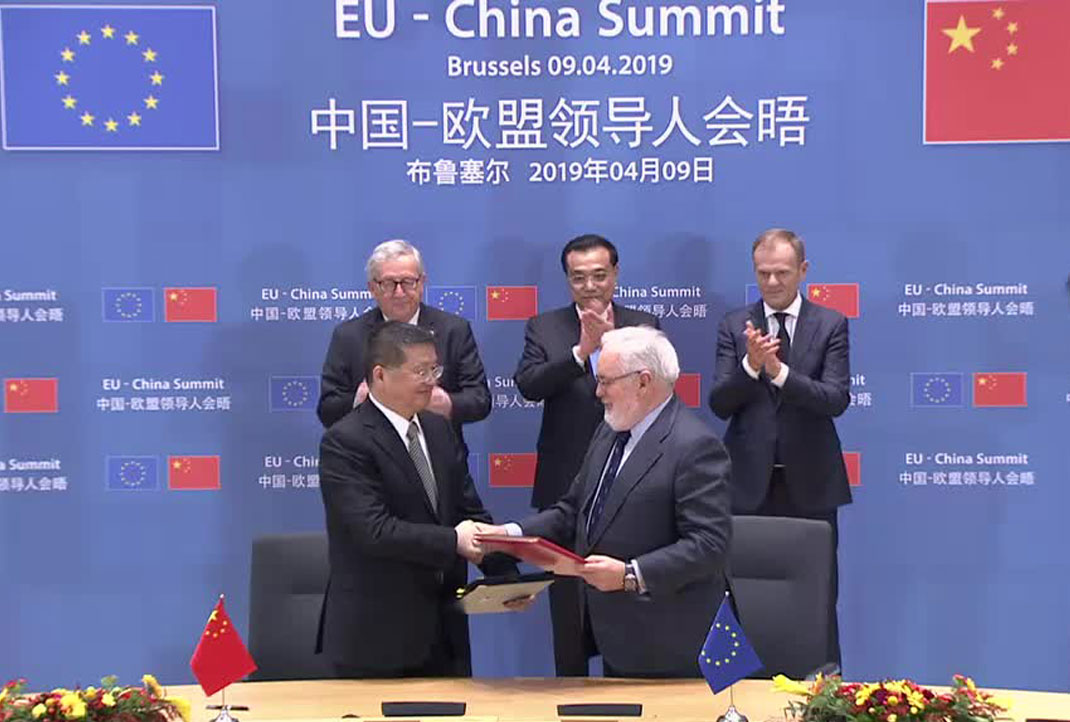
The upcoming summit between the EU and China is expected to have a very different tone than their last get-together in 2019.
The last summit ended with a 3,000-word joint statement overflowing with pledges to cooperate in a range of different areas. Much water has passed under the bridge since then, with relationships between the two powers evolving and becoming more complex. The days before the pandemic now seem like a different world.
Areas of agreement last time included addressing steel overcapacity, developing 5G, and keeping the peace in the South China Sea. Despite agreements, soon after the discussions ended, the EU said China is a systemic rival, hinting there were still underlying tensions.
Since then, relationships have been strained by several issues. The EU's largest member, Germany, is close to joining other countries in eliminating the involvement of Chinese companies in their 5G networks, and in 2021, the EU imposed sanctions on Chinese officials over alleged human rights abuses in Xinjiang.
China's closeness to Russia and the conflict in Ukraine have been significant concerns for Europe, especially since Crimea was annexed by Moscow in 2014. Furthermore, the pandemic and its effects on the supply chain have led Europe to look at reducing dependency on Chinese suppliers for critical imports. The issue of Taiwan, previously the elephant in the room, has become more prominent as concerns over China's potential use of force increased.
EU leaders have chosen not to sign any new agreements with China during the next summit and instead will concentrate on geopolitical and economic concerns, such as China's influence over Russia and ending the war in Ukraine, despite China not condemning the invasion and keeping a close relationship with the Russian leader.
The EU will also confront Xi Jinping over 13 Chinese firms circumventing EU sanctions on Russia.
The EU is becoming increasingly annoyed with China's unfulfilled promises to open its markets to European businesses, and if progress isn't made soon, the EU is ready to investigate China's medical devices sector and potentially exclude Chinese firms from European procurement processes. The bilateral trade deficit has also doubled in size over the last two years, and Brussels points to China's domestic policies, such as restricted market access and overcapacity due to illegal subsidies, as the cause.
The EU will also lobby Xi to control bank credit extended to manufacturers in critical sectors like electric vehicles, wind turbines, heat pumps, and solar panels and to reduce production targets in saturated sectors, which is seen as a more thoughtful approach than using more sanctions.
Ahead of the summit, China has made some superficial moves, such as announcing visa-free access for travelers from five EU countries and lifting trade measures against Lithuania. But these moves are unlikely to change the overall tone of the relationship.
Overall, the EU will take the opportunity to air its grievances during the summit as it feels China has been attempting to brush irritants in the relationship under the carpet while blaming the United States for the tension. Underscoring the difficulties in EU-China communication, the EU's top diplomat, Josep Borrell, the Spanish High Representative of the Union for Foreign Affairs and Security Policy, described last April's summit as a "dialogue of the deaf."
The upcoming summit should be a period of "sober realism" in EU-China relations, with the EU delivering a strong message about geopolitical and trade issues and aiming to fix existing concerns rather than signing new agreements, as happened at the 2019 summit.
