The Fall of a Giant: Evergrande in Liquidation
The Fall of a Giant: Evergrande in Liquidation
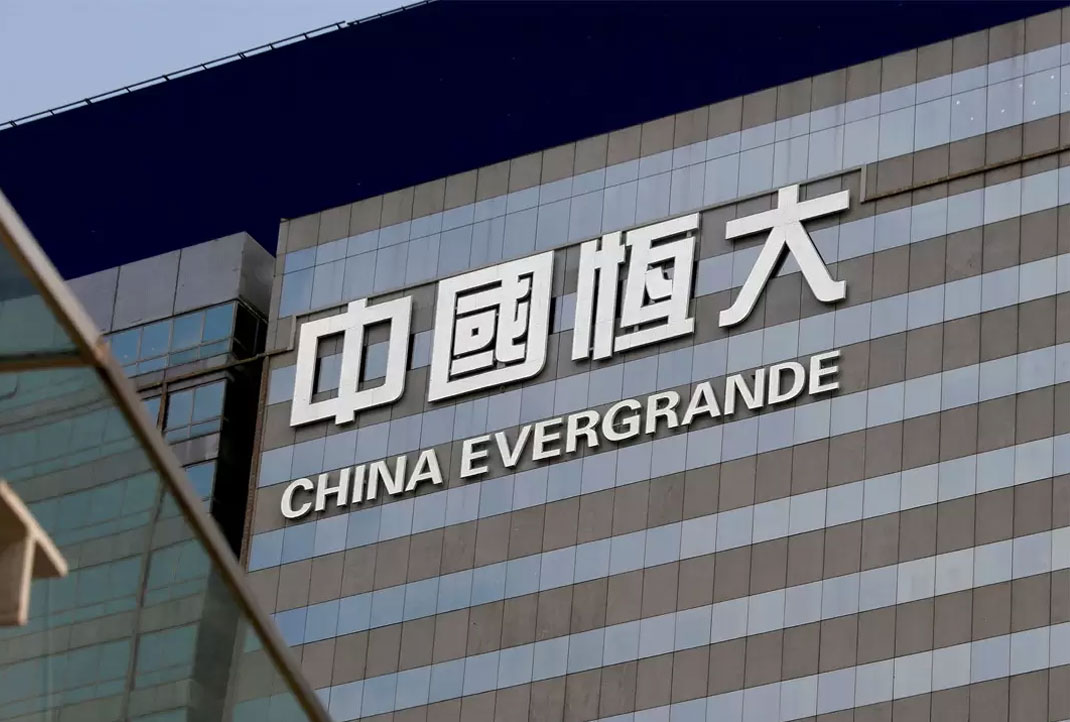
In a momentous ruling that marks a huge development in China’s real estate woes, a Hong Kong court has ordered that China Evergrande Group, once a titan in the property development industry, should be forced into liquidation.
The overwhelming debt being carried by the company, estimated to be in the range of $300 billion, has finally become too much to handle and led to the decision by the Hong Kong court on Monday. Evergrande is now the most indebted developer in the world.
The result was not unexpected and followed and drawnout 18-month hearing during which Evergrande had been making its claim that it had sustainable plans that would enable a successful restructuring despite having several extensions awarded during the hearing.
The order has meant that Evergrande’s shares have now been suspended, but not until investors saw the value of their holdings plummet by more than 20% in early trading.
Evergrande has experienced a series of financial setbacks in recent years that include defaulting on repayments in 2021 and an unsuccessful $23 billion debt restructuring in 2023. Their fortunes only deteriorated further when founder Hui Ka Yan was investigated for suspected illegal activities.
The fallout of this liquidation order spreads much further than the daily running of the business, with provisional liquidators effectively taking control of all areas of the company’s daily operations, assets, and debt management.
Due to the size of Evergrande and the differences in jurisdiction between Hong Kong and mainland China, this process is expected to be protracted and complex.
At one time, Evergrande had been deemed too big to fail because of the impact its operations have on the Chinese economy, but that sentiment has clearly passed. The situation that Evergrande finds itself in is not unique, and there are issues with companies throughout the flailing Chinese real estate market.
Understanding the magnitude of the problem, Beijing has stepped in to support the property sector with initiatives by the PBOC and Ministry of Finance to free up liquidity for developers who have a massive backlog of unfinished projects that they don’t have the finances to complete. Attempts to boost the stock market and integrate asset management companies into China Investment Corp, the sovereign wealth fund, highlight the urgency of the situation.
With the Chinese stock market also at near five-year lows, massive property overvaluations, and non-paying buyers, the prospects of the other developers following Evergrande into liquidation can’t be overestimated. Many homebuyers have also stopped paying mortgages on properties that they bought but have not been finished or even started yet.
For Evergrande, the future is fraught with challenges, with the liquidation setting the stage for a long-winded and politically sensitive unwinding process. For overseas investors and creditors, the focus will be on the liquidator’s success in coordinating with mainland courts under the mechanism for cooperation established in 2021.
Evergrande’s liquidation is a watershed moment and underscores the critical need for sustainable financial practices and more open regulatory frameworks to steady the market and protect investors.
